
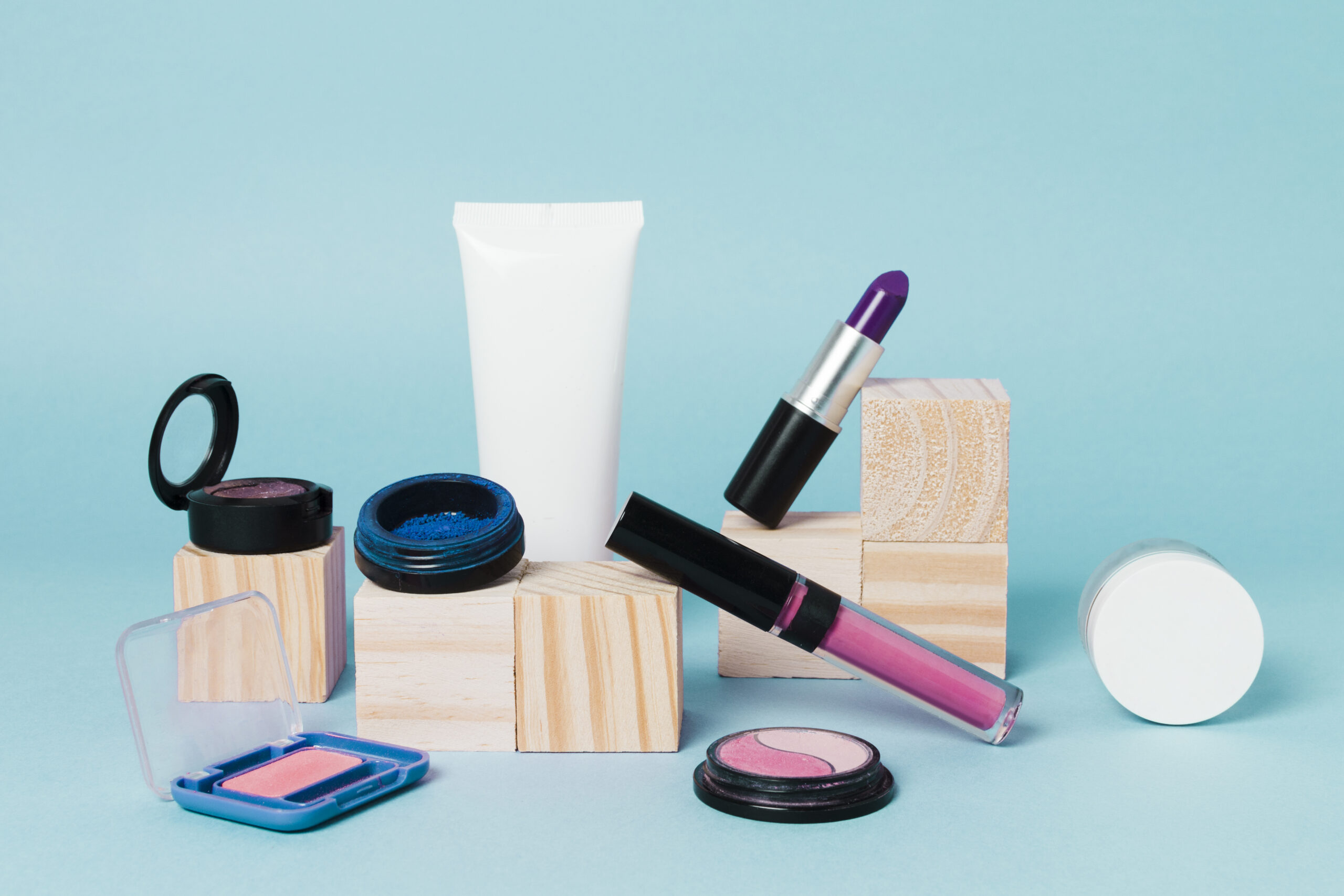
India is fast emerging as the world’s new growth lab for beauty, fashion, and luxury. Global brands are localising production, sourcing, and R&D as consumption scales beyond metros. Discover why India’s premiumisation wave is reshaping global strategy.
India is becoming the world’s next growth lab for beauty, fashion, and premium consumption – and global brands are quietly reorganising around it.
For years, India was seen as a downstream market for global personal care and fashion brands. That playbook is changing fast. International beauty and fashion houses are no longer just selling into India – they are designing, sourcing, manufacturing, and leading from India, as the country’s consumption outpaces most developed markets.
Key Developments
Global majors such as Shiseido, Estée Lauder, L’Oréal, Zara, and Uniqlo are actively localising in India.
- Shiseido is considering India-based manufacturing for the first time in a decade.
- Estée Lauder and The Body Shop are exploring local production to offset import duties and improve speed-to-shelf.
- Global retailers are redrawing their regional maps around India as China’s discretionary spending slows and Western markets plateau.
India, by contrast, continues to scale consumption – across both mass and premium categories.
Market Insights
- Beauty Market Scale: India’s beauty and personal care market, valued at US$28-33 billion (2024-25), is projected to reach US$48.5 billion by 2033.
- Luxury Beauty Growth: The luxury segment could expand 5x, from US$800 million in 2023 to US$4 billion by 2035, even as premium growth in Western markets stagnates.
- Rising Imports: Skincare and cosmetics imports grew from US$80.9 million (FY20) to US$171.9 million (FY25), reflecting both rising appetite and future headroom.
- Fashion & Luxury: India’s luxury goods market is projected at ~US$12.1 billion (2025), with 15-20% annual growth, outpacing the US, EU, and China.
- Local Manufacturing Push: Local production helps brands reduce duties, shorten lead times, and customise products for Indian skin tones, climates, fabrics, and price sensitivity.
Strategic Implications
For Global Brands:
India is no longer a “future option” – it’s a strategic growth market. Competitive advantage now lies in anchoring R&D, sourcing, and selective manufacturing in India to win on relevance, cost, and agility.
For Indian Manufacturers and Partners:
A once-in-a-decade opportunity exists. Global players are scouting compliant, scalable partners in skincare, haircare, fragrance, packaging, and apparel manufacturing. Those meeting global QA and ESG standards will be early beneficiaries.
For Policymakers:
India can replicate the electronics PLI (Production Linked Incentive) success in
beauty and fashion. Simplified cosmetic approvals, unified labelling, faster product registration (CDSCO/BIS), and export-linked incentives can turn domestic demand into a global export engine.
E2A Perspective
This shift is more than a retail story – it’s industrial policy for lifestyle and identity sectors. Beauty, fashion, and wellness are becoming strategic categories akin to smartphones or EVs. India’s edge lies in its demographics, disposable income, and cultural confidence.
The global winners will be those who view India as a production base, innovation lab, and flagship consumer market – building durable advantage in the next cycle of global consumption.
About the Author
E2A Consulting Insights Team – Experts in delivering data-driven intelligence and strategic perspectives on India’s evolving business landscape – helping global businesses unlock India’s full potential.
